


In 2017 Tesla showed off a new Roadster and promised deliveries in 2020. This month it finally showed up, drove upside down, fired rocket thrusters and flew over a row of Teslas.
Then it asked for a $5,000 deposit on a car that may ship in 2028. Tesla’s own terms say it “cannot guarantee when a vehicle will be delivered, or whether it will be delivered at all.”
And people are lining up. Love him or hate him, that’s marketing.
The nine-year hype machine
The original 2017 pitch: 0 to 60 in under 2 seconds, 250+ mph and 620 miles of range, starting around $200,000. Then came years of delays while Tesla focused on the Cybertruck, the Semi, robotaxis and robots. The Roadster page barely changed for almost a decade.
The October reveal at SpaceX’s test site in McGregor, Texas, was pure spectacle. A prototype drove up a curved ramp until it was upside down, held on by fan suction. Cold-gas thrusters launched it into the air, it flipped and landed on its wheels. Nobody was inside.
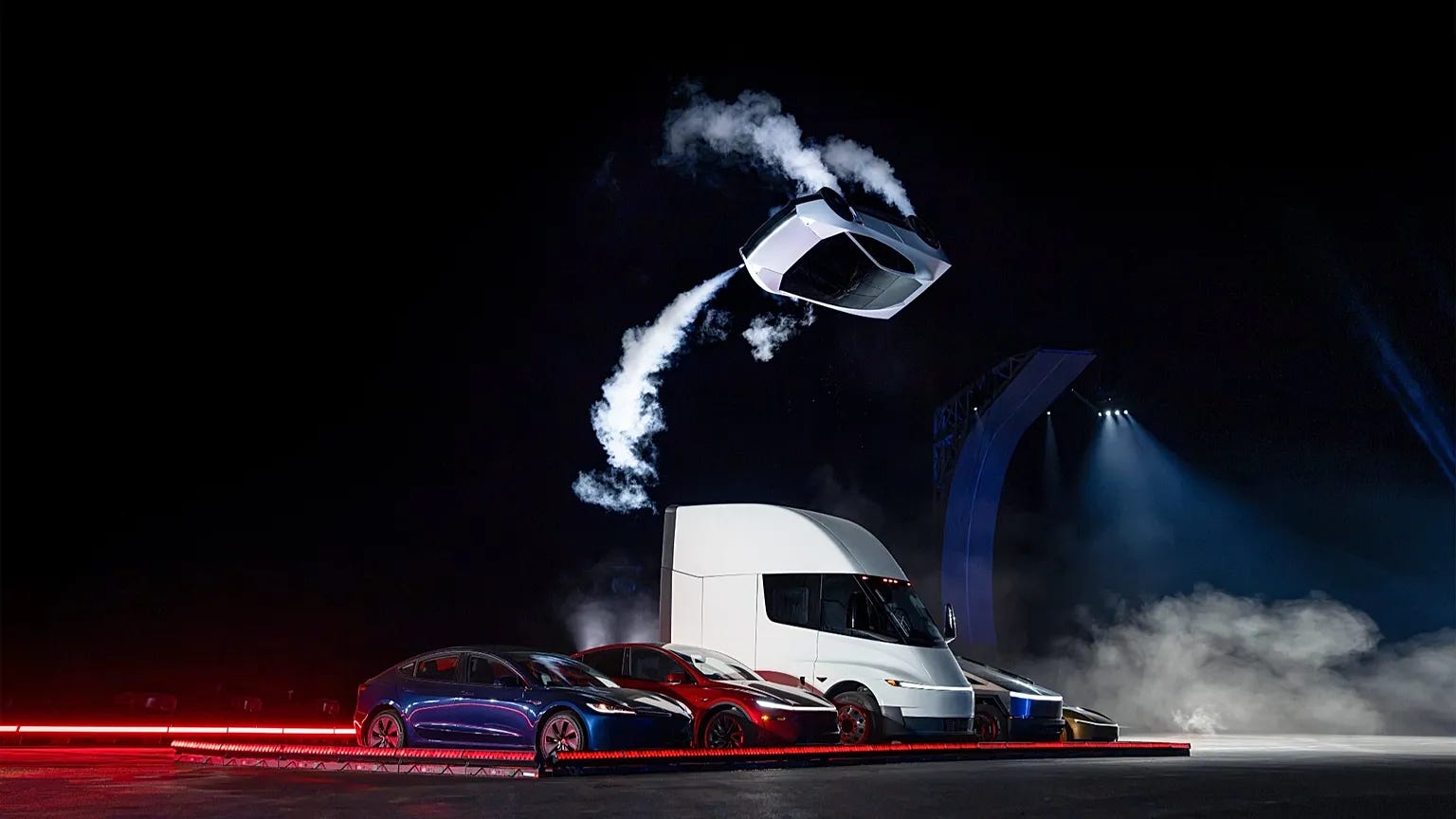
Tesla’s claims (not independently verified) include 0 to 60 in about 0.81 seconds with thrusters, over 230 mph and over 300 miles of range. That’s about half the range promised in 2017.
The money part
This is where it gets interesting for anyone who sells anything online.
$5,000 to get in line, then a $50,000 total reservation for the Performance version or $250,000 for the Thrust version.
No final price.
Refundable until you configure the car, and not held in escrow. Meaning: Tesla can spend that money now. < That part is crazy
Production aimed at 2028, with no guarantee.
That’s a deposit on a promise. And it works because people feel like insiders.
What creators can steal
Hype works when people feel like they’re early. You can build that for a course, a cohort, a product or a membership:
A free waitlist first. Test demand before anyone pays you anything.
A founding price with a real date. If you charge early, give people a delivery date and a refund policy in writing.
Behind-the-scenes updates. Let the waitlist watch you build. That’s the insider feeling, without the nine years.
What not to steal
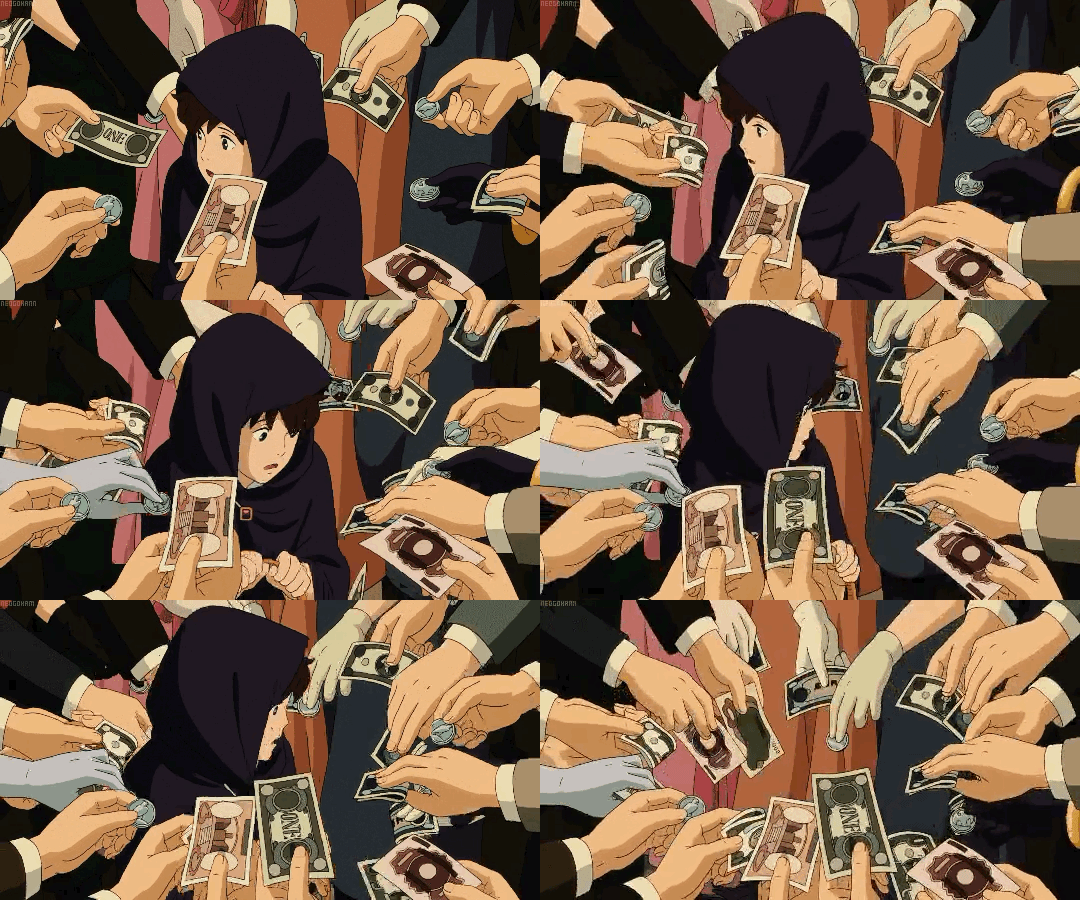
Taking real money with no date and no refund plan. Tesla can survive that because it’s Tesla. A creator who does it loses the one thing that makes people buy from them again: trust. Your waitlist should have a date. That’s the difference between hype and a hostage situation.
The faster way to get paid
If Tesla’s model is “pay now, wait years,” affiliate programs are the opposite. This week on Brand Deal School: Amazon Influencer Program Explained (2 Ways It Pays You). You can start with content you make this week, and you get paid on the next sale. Linked below.
Speaking of things worth way too much money
Kelly Clarkson called out a small Brooklyn toy shop online over a $15,000 mechanical bird named Molly.
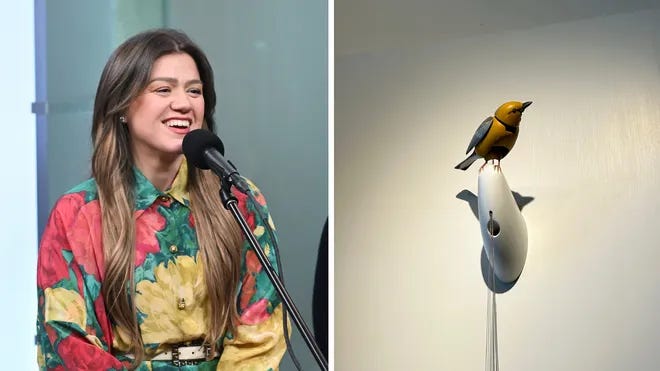
The shop says the bird was never for sale, and that fans then sent its staff threats. Its response: raising Molly’s price to $15 million “due to popular demand.” The lesson for anyone with an audience: a complaint you post isn’t a review, it’s a crowd. Brands notice how you handle conflict before they book you.
The bottom line
Hype is a tool, not a business model. Tesla gets to make people wait nine years because it’s Tesla. You get to build hype too, as long as you keep your promises: a waitlist with a date, a price you honor, and updates that make people feel like insiders.
Build the excitement, then deliver. That’s how one launch turns into the next one. Watch the Amazon Influencer Program breakdown this week, and I’ll see you in the next issue.
Pull quote: “Nine years. Half the range. Still sold out of hype.”